
If you’re reading this it’s probably because you had the idea of starting a perfume business. Luckily, out of all the businesses you can bootstrap, it’s one of the most accessible. In this article, we’re going to discuss everything you need to know about starting a perfume business. Most importantly, we’re going to explain how you can do it at a high profit.

Overview of the Perfume Industry in 2025
The Global Growth of the Perfume Industry
The perfume industry continues to thrive in 2025, with global sales projected to exceed $50 billion. The rising demand for luxury fragrances, niche scents, and sustainable perfumes has fueled steady growth. Countries like the United States, France, the UAE, and China remain key markets, while emerging economies in Asia and Africa are experiencing a surge in perfume consumption. This expansion is driven by increasing disposable incomes, urbanization, and changing consumer preferences. Additionally, online sales have skyrocketed, with e-commerce accounting for over 40% of perfume purchases as consumers prefer the convenience of digital shopping.
The industry is also seeing a shift in consumer behavior, with more people investing in perfumes as a form of self-expression rather than just luxury. Unisex and gender-neutral fragrances are gaining popularity, breaking traditional boundaries in scent marketing. Personalization is another key trend, with brands offering custom-blended perfumes tailored to individual preferences. Overall, 2025 presents lucrative opportunities for both established perfume brands and new entrepreneurs looking to enter the market.
Major Trends Shaping the Perfume Industry
One of the biggest trends shaping the perfume industry in 2025 is sustainability. Consumers are becoming more conscious of ethical sourcing, cruelty-free production, and eco-friendly packaging. As a result, many brands are shifting towards natural and organic ingredients while reducing their environmental footprint. Refillable perfume bottles, biodegradable packaging, and carbon-neutral production processes are becoming standard practices.
Another major trend is the rise of AI-driven fragrance development. Perfume brands are leveraging artificial intelligence and machine learning to analyze consumer scent preferences and create new fragrances with precision. Smart perfumes—fragrances that change based on body chemistry, mood, or temperature—are also making waves in the industry.
Social media continues to be a dominant force in marketing, with TikTok, Instagram, and YouTube driving perfume sales through influencer collaborations, viral scent challenges, and user-generated content. Brands that leverage digital storytelling and interactive experiences are seeing massive engagement and brand loyalty.
Profitability and Competitive Landscape
Starting a perfume business in 2025 remains highly profitable, but competition is fierce. High-end designer brands dominate a large portion of the market, but independent and niche perfume brands are carving out space with unique scents and direct-to-consumer business models. The rise of indie brands has created opportunities for small businesses to compete by offering high-quality, handcrafted perfumes at competitive prices.
Profit margins in the perfume industry can range from 30% to 90%, depending on the business model. Luxury perfumes tend to have higher markups due to branding, packaging, and exclusivity. In contrast, private-label and mass-market perfumes operate on lower margins but benefit from higher sales volume.
Entrepreneurs entering the perfume industry must focus on differentiation, branding, and effective marketing strategies to succeed. Whether through exclusive scent formulations, sustainable practices, or strong influencer partnerships, standing out in the competitive landscape is key to building a profitable perfume business in 2025.
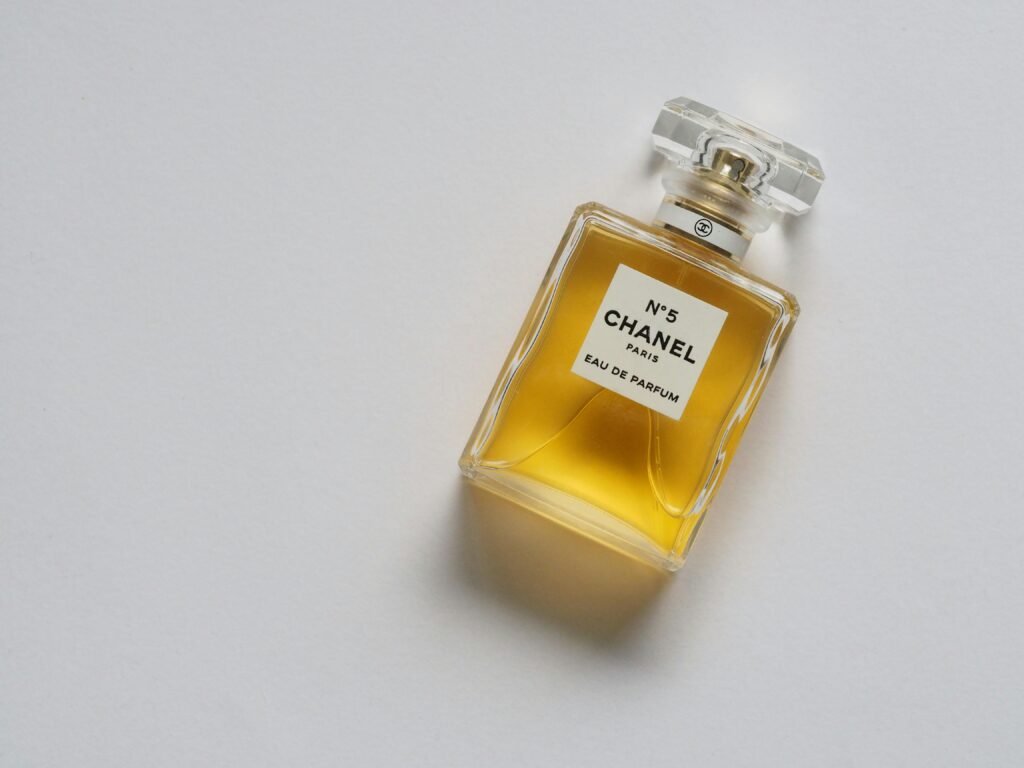
Is a Perfume Business Profitable?
Profit Margins in the Perfume Industry
One of the main reasons why the perfume business is highly profitable is its impressive profit margins. Perfumes have some of the highest markups in the retail industry, often ranging from 30% to 90%. High-end luxury brands enjoy even greater markups, sometimes exceeding 300%, due to the perceived value associated with premium packaging, exclusive ingredients, and brand reputation.
The cost of producing a single bottle of perfume is relatively low, with ingredients often accounting for just 5%–15% of the final retail price. The biggest expenses typically come from branding, packaging, marketing, and distribution. Entrepreneurs who focus on direct-to-consumer (DTC) sales via e-commerce can significantly reduce overhead costs, maximizing profits. By cutting out middlemen and selling directly through a website or social media platforms, businesses can retain more revenue per sale.
However, while the potential for high profit margins exists, success is not guaranteed. A strong branding strategy, quality product, and effective marketing campaign are crucial for capturing consumer interest and driving sales. Those who can differentiate their perfumes through unique scents, sustainable practices, or compelling storytelling can build a profitable business in this competitive market.
Startup Costs and Investment Requirements
Starting a perfume business requires an initial investment, but the costs can vary widely depending on the business model. Entrepreneurs who opt for private labeling—where they work with a manufacturer to create custom fragrances under their own brand—can start with as little as $5,000–$10,000. This approach eliminates the need for in-house production and reduces the complexity of formulation and testing.
On the other hand, those looking to create their own perfumes from scratch, including sourcing ingredients, setting up a lab, and obtaining regulatory approvals, may need a budget of $50,000 or more. Expenses include raw materials, packaging, branding, website development, marketing, and distribution.
A cost-effective alternative is selling perfume oils, travel-size fragrances, or sample sets to test the market before committing to large-scale production. Another option is crowdfunding or pre-orders, which allow entrepreneurs to generate capital upfront and validate demand. By carefully managing costs and reinvesting profits, a perfume business can scale gradually while maintaining profitability.
Factors That Affect Profitability in a Perfume Business
While the perfume industry is profitable, several factors determine whether a business will succeed. One of the most critical elements is branding and positioning. Successful perfume brands don’t just sell a fragrance—they sell an experience, a lifestyle, and a story. Entrepreneurs who invest in strong brand identity, premium packaging, and compelling marketing campaigns can command higher prices and build customer loyalty.
Sales channels also impact profitability. Selling directly through a website or social media reduces middleman fees and increases profit margins. In contrast, selling through retailers or marketplaces like Amazon or Sephora provides exposure but often comes with lower margins due to commission fees. Many brands adopt a hybrid model, balancing online DTC sales with select retail partnerships to maximize revenue.
Another key factor is customer retention. Perfume is a repeat-purchase product, and businesses that build a loyal customer base can generate consistent revenue. Offering subscription boxes, loyalty programs, or exclusive limited-edition releases can encourage repeat sales.
Lastly, keeping up with industry trends—such as sustainability, unisex fragrances, and AI-driven scent customization—can give brands a competitive edge. Entrepreneurs who stay adaptable and innovative will find the perfume business to be not just profitable but also scalable for long-term success.
Pros and Cons of Starting a Perfume Business
Pros of Starting a Perfume Business
Starting a perfume business in 2025 offers numerous advantages, making it an attractive opportunity for entrepreneurs. One of the biggest benefits is the high-profit margins. Perfumes often have markups ranging from 30% to over 90%, especially for luxury and niche brands. Since the cost of production is relatively low compared to the retail price, business owners can generate significant profits if they build a strong brand.
Another major advantage is the growing global demand for perfumes. The industry is expanding due to increased interest in personal grooming, self-expression, and luxury experiences. With the rise of e-commerce, reaching customers worldwide is easier than ever, allowing businesses to scale without requiring a physical store.
The perfume business also offers flexibility in terms of business models. Entrepreneurs can choose between creating their own formulations, white-labeling existing scents, or selling essential oils and perfume oils. This allows for multiple entry points depending on budget and expertise.
Branding plays a crucial role in the perfume industry, and a well-marketed perfume can create a loyal customer base. Since perfumes are consumable and repeat-purchase products, a successful brand can enjoy long-term revenue from returning customers.
Lastly, perfume businesses have diverse sales channels, including online stores, social media, retail partnerships, and marketplaces like Amazon and Etsy. This variety allows entrepreneurs to test different strategies and expand their reach.
Cons of Starting a Perfume Business
Despite its profitability, the perfume business comes with challenges. One of the main drawbacks is high competition. The market is dominated by well-established brands, making it difficult for new businesses to stand out. To succeed, entrepreneurs must have a strong brand identity, unique fragrances, and an effective marketing strategy.
Another challenge is initial startup costs. While private labeling can be relatively affordable ($5,000–$10,000), custom perfume creation requires a larger investment ($50,000 or more). Costs include research and development, ingredient sourcing, packaging, regulatory approvals, and marketing. Without sufficient capital, scaling the business can be challenging.
Regulatory compliance is another obstacle. Perfumes must adhere to safety regulations and industry standards, especially when selling internationally. Businesses need to ensure their products meet FDA (U.S.), EU, or other local regulations regarding fragrance ingredients and labeling. This process can be time-consuming and expensive.
Marketing and branding are essential but require ongoing investment. Unlike other products, consumers can’t experience a perfume online before purchasing, so businesses must invest in creative ways to attract customers, such as influencer partnerships, samples, and scent descriptions that evoke emotions.
Finally, customer preferences can be unpredictable. Fragrance trends shift rapidly, and what is popular today may not sell tomorrow. Businesses need to continuously innovate and adapt to changing consumer tastes.
Is Starting a Perfume Business Worth It?
While there are challenges, a perfume business can be highly rewarding for those who approach it strategically. The key to success lies in differentiation—whether through unique scent formulations, sustainable packaging, or innovative branding. Entrepreneurs who conduct thorough market research and find a niche audience are more likely to succeed.
For those with a limited budget, starting with small-batch production, perfume oils, or private labeling can be a cost-effective way to test the market. This allows new brands to gain traction without a massive upfront investment. Additionally, focusing on direct-to-consumer sales via e-commerce can maximize profit margins and reduce dependence on third-party retailers.
The scalability of the perfume business is another advantage. As demand grows, businesses can expand by launching limited-edition collections, collaborations, or even subscription services. With the right strategy, a small startup can evolve into a recognized brand.
Ultimately, the perfume business is profitable for those willing to invest in branding, marketing, and innovation. Entrepreneurs who embrace digital marketing trends, leverage influencer partnerships, and create a strong brand identity will find the industry not only profitable but also sustainable in the long run.
Finding a Perfume Niche: Why It Matters
Choosing a niche is one of the most important steps when starting a perfume business. The fragrance industry is highly competitive, with big brands dominating mainstream markets. To stand out, new perfume businesses must focus on a specific niche that caters to a well-defined audience.
A perfume niche refers to a specialized market segment based on unique scent preferences, customer demographics, or specific product features. By targeting a niche, entrepreneurs can differentiate their brand, build a loyal customer base, and increase profitability.
A well-defined niche allows for stronger branding and marketing strategies. Rather than competing with luxury giants like Chanel or Dior, a niche brand can appeal to a dedicated audience willing to pay premium prices for a unique product. Additionally, niche markets often have less price sensitivity, meaning customers prioritize quality, exclusivity, and personal connection over cost.
Before selecting a niche, consider market trends, customer demand, and your personal passion. Research competitors in your chosen niche and identify gaps in the market. Tools like Google Trends, Amazon reviews, and social media insights can help determine what customers are looking for. If you can create a product that solves a specific problem or caters to an underserved audience, your perfume business will have a higher chance of success.
Top Perfume Niches for 2025
Finding the right niche requires understanding the latest industry trends and customer preferences. Here are some of the most profitable and emerging perfume niches in 2025:
- Luxury Niche Perfumes – High-end, artisanal fragrances with rare ingredients.
- Sustainable & Eco-Friendly Perfumes – Organic, cruelty-free, and refillable packaging.
- Unisex & Gender-Neutral Perfumes – Scents that break traditional gender norms.
- Celebrity & Influencer Perfumes – Fragrances created in collaboration with public figures.
- Aromatherapy & Wellness Scents – Essential oil-based perfumes promoting relaxation and stress relief.
- Minimalist & Single-Note Perfumes – Focus on a single dominant fragrance note (e.g., sandalwood, vanilla).
- Custom & Personalized Perfumes – Customers can create their own scents.
- Travel-Friendly & Solid Perfumes – Compact, spill-proof fragrances for travelers.
- Cultural & Regional Perfumes – Inspired by specific cultures, such as Middle Eastern oud or Japanese sakura scents.
- Perfume Oils & Alcohol-Free Scents – Long-lasting, skin-friendly alternatives to traditional alcohol-based perfumes.
- Vegan & All-Natural Perfumes – Free from synthetic chemicals and animal-derived ingredients.
- Limited-Edition & Seasonal Perfumes – Exclusive releases that create urgency and demand.
By selecting a niche, perfume entrepreneurs can focus their branding, marketing, and formulation efforts on a specific target audience, increasing their chances of success.
How to Choose the Right Perfume Niche for Your Brand
Selecting the perfect perfume niche requires a combination of market research, personal interest, and business strategy. Here are some steps to help you decide:
- Analyze Market Demand – Use keyword research tools, competitor analysis, and social media trends to identify growing fragrance trends.
- Identify Your Target Audience – Who are you selling to? Consider demographics, lifestyle preferences, and purchasing behavior.
- Assess Competition – Look at successful niche perfume brands and find ways to differentiate your product.
- Evaluate Profitability – Some niches, like luxury or custom perfumes, have higher price points and better profit margins.
- Consider Sourcing & Production – Ensure you can source ingredients and manufacture your perfume affordably and ethically.
- Align with Your Passion & Expertise – If you love natural skincare, a vegan perfume brand might be a great fit. If you enjoy luxury branding, high-end niche fragrances could be your focus.
- Test & Validate – Before fully committing, test your niche with small-batch releases, samples, or pre-orders to gauge customer interest.
Ultimately, the right niche should balance market demand, brand identity, and business feasibility. Once you’ve chosen a niche, focus on crafting a unique selling proposition (USP) and building a strong brand story to attract and retain loyal customers.
Choosing a Business Model for Your Perfume Business
Private Label vs. Custom Perfume Creation
When starting a perfume business, one of the first decisions is whether to use a private label approach or create custom perfumes from scratch. Each option has its benefits and challenges, depending on budget, expertise, and branding goals.
Private label perfumes involve partnering with a manufacturer that provides pre-made fragrance formulations. You can customize the packaging, branding, and marketing while avoiding the complexities of sourcing ingredients and developing scents. This model is ideal for entrepreneurs who want a faster and lower-cost entry into the perfume industry. Startup costs typically range from $5,000 to $10,000, making it an attractive option for those testing the market.
On the other hand, custom perfume creation gives you complete control over fragrance development, ingredients, and scent profiles. This model requires working with perfumers, sourcing raw materials, and conducting extensive testing. While this approach results in a unique, differentiated product, it demands higher investment, usually $50,000 or more, for formulation, branding, and production.
The choice between private labeling and custom creation depends on business goals. Private labeling is great for those prioritizing branding and marketing, while custom perfume creation suits those focused on innovation and exclusivity.
Direct-to-Consumer vs. Retail Distribution
Another critical decision is how to sell your perfumes. The two main models are direct-to-consumer (DTC) and retail distribution.
Direct-to-consumer sales involve selling perfumes through your own website, social media, or platforms like Shopify and Etsy. This model provides higher profit margins since there are no middlemen, allowing businesses to retain 70% to 90% of sales revenue. Additionally, brands can build direct relationships with customers, personalize marketing, and leverage data for future product launches.
However, DTC businesses require strong digital marketing strategies to attract traffic and convert visitors into customers. Paid advertising, influencer collaborations, and email marketing play crucial roles in scaling a DTC perfume brand.
Retail distribution, on the other hand, involves selling perfumes through boutiques, department stores, or marketplaces like Amazon and Sephora. This model provides wider exposure and immediate credibility but comes with lower profit margins due to wholesale pricing and retailer commissions. While retail partnerships can increase brand awareness, businesses must produce in larger volumes and navigate competitive pricing strategies.
Some perfume brands adopt a hybrid model, combining DTC and retail sales to maximize revenue and reach. This strategy allows businesses to test the market through online sales before expanding into retail partnerships.
Subscription Boxes, Customization & Niche Business Models
Beyond traditional sales models, subscription boxes, customization services, and niche offerings provide alternative revenue streams for perfume businesses.
Subscription boxes offer customers a curated selection of fragrances delivered monthly or quarterly. This model creates predictable recurring revenue and encourages brand loyalty. Companies like Scentbird have built successful businesses around perfume subscriptions, making it a lucrative option for new brands.
Customization services allow customers to create personalized fragrances based on their scent preferences. AI-driven scent matching, in-store fragrance blending, and online customization platforms have become popular trends. While this model requires more logistical planning and ingredient sourcing, it offers a premium pricing structure that can lead to higher profit margins.
Other niche business models include:
- Eco-friendly & sustainable perfumes (zero-waste packaging, refillable bottles).
- Luxury & artisanal brands (limited edition, handcrafted scents).
- Travel-size & solid perfumes (compact, mess-free options for on-the-go consumers).
- Gender-neutral perfumes (fragrances that cater to all genders).
Choosing the right business model depends on your budget, target audience, and long-term vision. Some brands find success by combining multiple models, such as selling DTC while also offering a subscription box or retail distribution. By carefully selecting the right approach, you can maximize profitability and create a strong foundation for your perfume business in 2025.
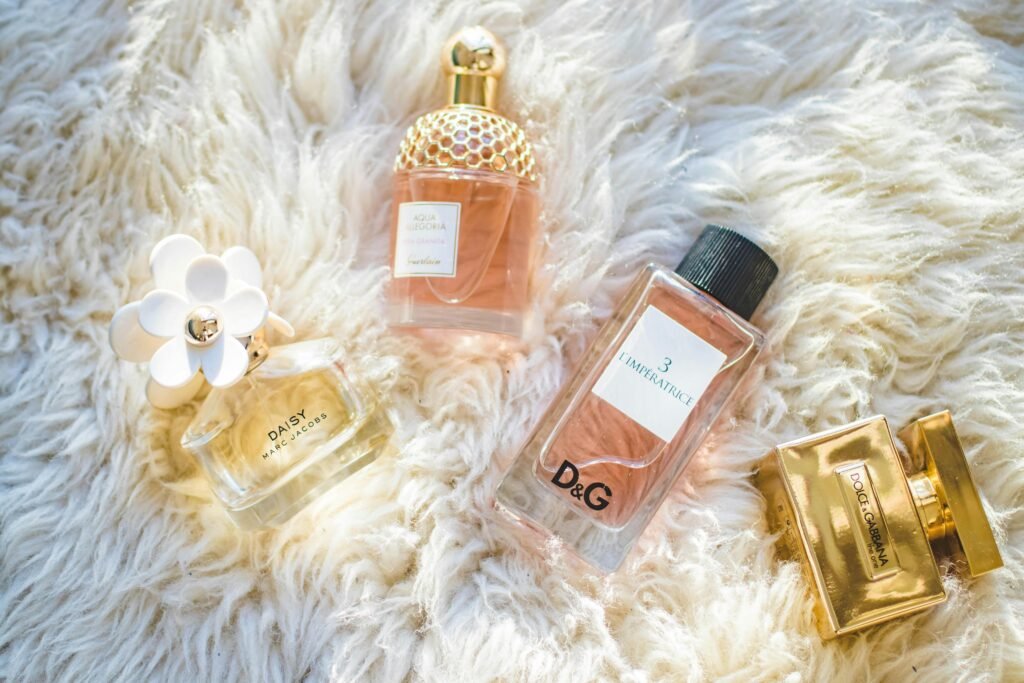
Types of Perfume: Understanding Different Fragrance Categories
Perfume Concentration Levels
Perfumes are categorized based on their concentration of aromatic compounds, which affects their longevity, intensity, and price. Understanding these categories helps both business owners and consumers choose the right product based on preference and budget.
- Parfum (Extrait de Parfum) – The most concentrated form, containing 20-40% fragrance oils. It lasts 8-12 hours on the skin and has the strongest scent profile. Due to its high-quality ingredients, it is also the most expensive.
- Eau de Parfum (EDP) – Contains 15-20% fragrance oils, offering a moderate to strong intensity that lasts 6-8 hours. It is the most popular category for luxury and niche perfumes.
- Eau de Toilette (EDT) – With a concentration of 5-15% fragrance oils, EDT is lighter and more refreshing, making it ideal for everyday wear. It lasts 3-5 hours and is often more affordable than EDP.
- Eau de Cologne (EDC) – A light, fresh fragrance with only 2-5% fragrance oils. It lasts 2-3 hours and is often used in masculine scents.
- Eau Fraîche – The most diluted type, containing 1-3% fragrance oils. It lasts 1-2 hours and is ideal for a quick refresh, often found in body mists and splash colognes.
For perfume businesses, offering multiple concentrations allows them to cater to different customer preferences and price points, increasing sales opportunities.
Fragrance Families & Scent Profiles
Perfumes are also classified by fragrance families, which define their overall scent character. Understanding these families is crucial for creating well-balanced perfumes and marketing them to the right audience.
- Floral – The most popular category, featuring scents like rose, jasmine, and lily. Ideal for feminine perfumes and romantic fragrances.
- Woody – Includes warm, earthy notes such as sandalwood, cedar, and vetiver. Often used in unisex and masculine scents.
- Oriental (Amber/Spicy) – Rich, warm, and exotic fragrances with ingredients like vanilla, cinnamon, and musk. Perfect for luxurious and evening perfumes.
- Fresh (Citrus/Aquatic/Green) – Light and refreshing scents, featuring citrus, water notes, and herbal elements. Great for casual and summer fragrances.
- Fruity – Sweet and playful fragrances with notes like peach, berry, and apple. Popular in youthful and fun perfumes.
- Gourmand – Inspired by edible ingredients like chocolate, caramel, and coffee. These scents are warm and indulgent.
- Chypre – A sophisticated blend of citrus, oakmoss, and patchouli, often found in classic and elegant perfumes.
A successful perfume business can either specialize in one fragrance family or offer a variety to appeal to a wider customer base.
Specialty Perfume Categories
Beyond traditional fragrances, there are unique specialty perfume categories that cater to specific markets. These include:
- Niche Perfumes – High-end, exclusive fragrances with unique compositions and rare ingredients. These perfumes cater to fragrance enthusiasts who seek originality and luxury.
- Vegan & Cruelty-Free Perfumes – Formulated without animal-derived ingredients or animal testing. Increasingly popular due to ethical consumerism.
- Natural & Organic Perfumes – Made from botanical extracts and essential oils, free from synthetic chemicals. Appeals to eco-conscious customers.
- Solid Perfumes – Wax-based, compact perfumes that are portable and mess-free. Ideal for travel and minimalists.
- Alcohol-Free Perfumes – Typically oil-based, these fragrances last longer on the skin and are gentler, making them popular in Middle Eastern markets.
- Personalized & Custom Perfumes – Perfumes tailored to an individual’s preferences, often created through quizzes, scent profiling, or in-person blending sessions.
- Aromatherapy & Wellness Perfumes – Infused with essential oils that promote relaxation, focus, or mood enhancement. Popular in the wellness industry.
By offering specialty perfumes, businesses can tap into niche markets, differentiate their brand, and command higher price points. Entrepreneurs should consider which category aligns with their brand vision and target audience for maximum profitability.
Understanding the Cost of Ingredients in a Perfume Business
1. Natural vs. Synthetic Ingredients: Price Differences
One of the biggest factors influencing perfume production costs is the choice between natural and synthetic ingredients.
Natural ingredients come from plant extracts, resins, and animal-derived sources. They are generally more expensive due to limited supply, complex extraction processes, and seasonal variations. For example:
- Oud (Agarwood) – One of the most expensive perfume ingredients, costing $5,000 to $10,000 per kilogram due to its rarity.
- Jasmine Absolute – Requires thousands of flowers to produce a small amount of oil, costing $3,000 to $6,000 per kilogram.
- Rose Oil (Bulgarian or Turkish) – High-quality rose oil costs $5,000 to $8,000 per kilogram due to intensive labor in harvesting petals.
On the other hand, synthetic ingredients are lab-created and offer consistent quality at a lower price. Many modern perfumes use synthetic versions of natural scents to reduce costs and ensure sustainability.
- Ambroxan (synthetic ambergris) – Costs $50 to $200 per kilogram, whereas natural ambergris can exceed $20,000 per kilogram.
- Vanillin (synthetic vanilla) – Available for $20 to $100 per kilogram, compared to pure vanilla extract at $300 to $600 per kilogram.
Using a mix of natural and synthetic ingredients allows perfume businesses to control costs while maintaining quality.
Essential Oils, Aroma Chemicals & Fixatives: Key Cost Factors
Perfume formulations consist of essential oils, aroma chemicals, and fixatives, each with varying costs.
- Essential Oils – Extracted from plants, essential oils provide the core fragrance notes. Popular options include:
- Lavender Oil – $100 to $300 per kilogram
- Citrus Oils (Lemon, Bergamot, Orange) – $50 to $150 per kilogram
- Sandalwood Oil – $2,000 to $4,000 per kilogram
- Aroma Chemicals – These lab-made compounds replicate scents found in nature or create new ones. They are cost-effective and widely used in mass-market perfumes. Examples:
- Hedione (floral, jasmine-like note) – $100 to $400 per kilogram
- Iso E Super (woody, musky scent) – $50 to $150 per kilogram
- Fixatives & Base Notes – These ingredients slow down the evaporation of top notes, ensuring the fragrance lasts longer. Common fixatives include:
- Musk Compounds – Synthetic musks cost $100 to $500 per kilogram, whereas natural musk is rarely used due to ethical concerns.
- Resins (Benzoin, Labdanum, Myrrh) – Range from $200 to $1,500 per kilogram.
Higher-end perfumes use premium ingredients, while budget-friendly fragrances rely more on synthetic alternatives. Choosing the right balance between cost, quality, and sustainability is crucial for profitability.
Bulk Purchasing & Supplier Considerations
The cost of perfume ingredients also depends on supplier relationships, bulk purchasing, and sourcing locations.
Bulk Buying & Wholesale Discounts
Purchasing ingredients in bulk significantly reduces costs. Suppliers often offer tiered pricing, meaning larger orders lead to lower per-unit prices. For example:
- Buying 1 kg of jasmine oil may cost $5,000, but purchasing 10 kg may reduce the price to $4,500 per kg.
- Aroma chemicals like Iso E Super cost $150 per kg for small orders, but drop to $80 per kg when ordered in large quantities.
Supplier Selection & Sourcing Regions
Different regions specialize in certain perfume ingredients, affecting pricing:
- India & Egypt – Major producers of jasmine, sandalwood, and patchouli.
- France (Grasse) – Known for high-quality floral absolutes and niche perfumery ingredients.
- Madagascar & Indonesia – Leading sources for vanilla and exotic woods.
Working directly with farmers and cooperatives instead of middlemen can lower costs while ensuring sustainability and ethical sourcing. Many businesses also use fragrance houses (such as Givaudan or Firmenich) to create custom scent blends at competitive prices.
In conclusion, the cost of perfume ingredients varies widely based on ingredient type, sourcing, and volume purchases. Successful perfume brands carefully balance cost, quality, and marketing positioning to maintain profitability while offering appealing scents to consumers.
Doing Perfume Marketing: Strategies for Success in 2025
Building a Strong Brand Identity
Perfume marketing starts with a compelling brand identity that resonates with the target audience. Unlike other industries, where functionality plays a major role, perfumes are sold based on emotion, luxury, and storytelling.
To create a memorable brand, consider:
- Brand Story – What inspired your perfume line? Is it luxury, sustainability, exotic ingredients, or personal expression?
- Visual Identity – High-end branding requires premium packaging, elegant typography, and sophisticated color schemes. Minimalist and eco-friendly designs are trending.
- Unique Selling Proposition (USP) – Why should customers choose your perfume over others? Common USPs include sustainability, celebrity endorsement, customization, or rare ingredients.
Luxury perfume brands like Chanel and Tom Ford focus on exclusivity, while niche brands like Byredo and Le Labo emphasize artisanal craftsmanship. Define whether your brand caters to mass-market consumers or niche audiences to shape marketing strategies accordingly.
Another essential part of branding is fragrance storytelling—describing a perfume’s mood, occasion, or personality instead of just its notes. For example, instead of saying “lavender and vanilla blend,” describe it as “a comforting, warm embrace on a cool autumn night.”
Digital Marketing: Social Media & Influencer Collaborations
With more consumers shopping online, digital marketing is crucial for a perfume business in 2025. The key platforms for perfume marketing include Instagram, TikTok, YouTube, and Pinterest, as visual storytelling plays a huge role in perfume branding.
- Instagram & TikTok – Use short-form videos showcasing behind-the-scenes fragrance creation, bottle designs, and scent inspiration.
- YouTube – Long-form content, such as perfume reviews, “top 10” lists, and luxury fragrance comparisons, attracts engaged audiences.
- Pinterest – A great platform for aesthetic-driven content like mood boards, scent layering guides, and packaging inspiration.
Influencer collaborations are one of the most effective perfume marketing strategies. Partnering with beauty, fashion, and lifestyle influencers can expose your brand to thousands of potential customers. Some effective ways to use influencer marketing include:
- Sponsored reviews & first impressions – Paying influencers to feature your perfume in their videos or Instagram posts.
- Affiliate marketing – Offering influencers a commission on sales generated through their referral links.
- Custom perfume launches – Collaborating with influencers to create limited-edition signature scents.
Many indie brands like Dossier and Kayali have grown rapidly by leveraging influencer partnerships rather than traditional advertising.
Selling Perfume Online & Offline: E-Commerce, Retail & PR Strategies
A successful perfume business combines direct-to-consumer (DTC) sales, retail partnerships, and PR campaigns to maximize reach.
E-Commerce Strategies
- Website & Online Store – Invest in a sleek, user-friendly Shopify or WooCommerce store. Offer free samples with purchases to encourage future sales.
- SEO & Content Marketing – Write blog posts about fragrance trends, perfume care, and scent layering tips to attract organic search traffic.
- Email Marketing & SMS – Use automated emails for abandoned carts, exclusive offers, and new launches. Personalized SMS campaigns also work well.
Retail & Boutique Sales
- Department Stores & Perfume Boutiques – Getting into retailers like Sephora, Nordstrom, or niche perfume shops boosts brand credibility.
- Pop-Up Events & In-Person Sampling – Hosting perfume-sampling events in malls, beauty expos, or high-end venues helps build buzz and customer trust.
Public Relations (PR) & Brand Awareness
- Press Releases & Media Coverage – Getting featured in fashion magazines, beauty blogs, and fragrance publications can skyrocket brand visibility.
- Celebrity & Micro-Celebrity Collaborations – Even small-scale influencers or local celebrities can drive demand.
By combining branding, social media marketing, influencer collaborations, and retail strategies, perfume businesses can establish a strong presence and boost profitability in 2025.
The Highest Rated “How To Create a Perfume Business” Course
The course we always recommend to people wanting to start a perfume business is this Udemy course here. It has a 4.78 rating and has been loved by almost 200+ students. It only costs $15 and you get lifetime access with a 30 day money back guarantee. Click this link to learn more.